
The Frontier of Regenerative Signaling: BPC-157 & TB-500
In 2026, research into regenerative medicine focuses heavily on the modulation of growth factors and the activation of endogenous repair pathways. Polaris Peptides provides the high-purity ligands necessary to study these biological mechanisms in-vitro.
Investigating Angiogenesis and Fibroblast Activation
Compounds within our Tissue Repair suite are specifically curated for their roles in cellular migration and tissue integrity:
-
BPC-157 (Body Protection Compound): A stable pentadecapeptide investigated for its potential to upregulate VEGFR2 expression and promote the formation of new micro-vessels.
-
TB-500 (Thymosin Beta-4): Studied for its actin-sequestering properties, which are critical for the migration of cells to the site of injury and the subsequent structural repair of musculoskeletal tissue.
-
GHK-Cu: A copper-binding tripeptide utilized in studies involving collagen synthesis and the modulation of inflammatory cytokines.
San Diego Quality Control: Why Analytical Grade Matters
In regenerative research, impurities such as residual TFA (Trifluoroacetic acid) or truncated peptide sequences can cause “off-target” effects, compromising your experimental data. At Polaris Peptides, our San Diego-based QC protocol utilizes Triple-Point Verification (HPLC/MS/NMR) to guarantee that every vial in our Regenerative Research category meets the highest international purity standards.
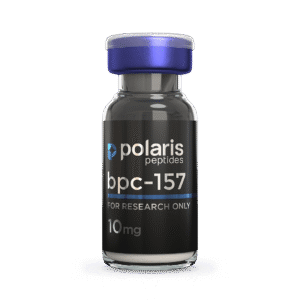
Tissue Repair & Regenerative Research
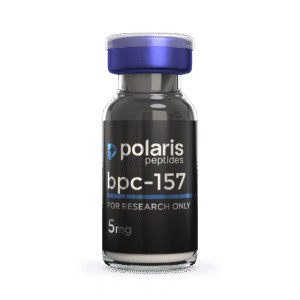
Tissue Repair & Regenerative Research
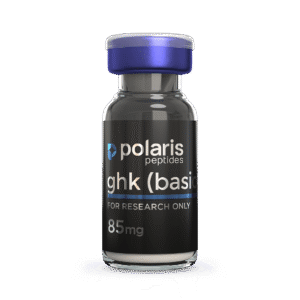
Tissue Repair & Regenerative Research
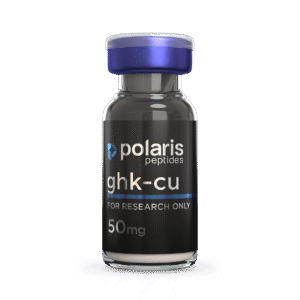
Tissue Repair & Regenerative Research
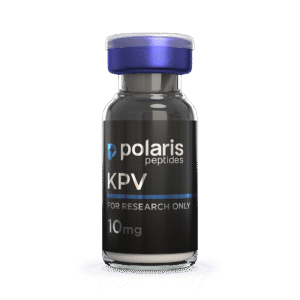
Tissue Repair & Regenerative Research
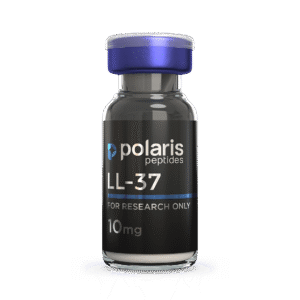
Tissue Repair & Regenerative Research
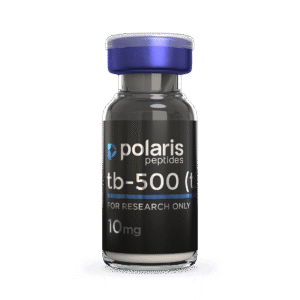
Tissue Repair & Regenerative Research