
The Science of Synergistic Receptor Activation
In 2026, metabolic and regenerative research has moved toward multi-target ligands. Synergistic Blends allow researchers to investigate the simultaneous modulation of independent biological systems, such as the co-activation of growth hormone secretagogues and tissue-repair signaling pathways.
Dual-Pathway Repair: BPC-157 + TB-500 (The Recovery Blend)
Our most requested Value Tier blend combines the pentadecapeptide BPC-157 with the G-actin sequestering protein fragment TB-500.
-
Mechanistic Synergy: While BPC-157 focuses on the upregulation of VEGFR2 for angiogenesis, TB-500 facilitates the physical migration of cells to the site of injury.
-
Research Utility: Studying these compounds in a pre-blended ratio ensures consistent concentration and reduces variable errors in in-vitro assays.Pituitary Pulse Optimization: CJC-1295 + Ipamorelin For studies involving the somatotropic axis, the combination of a GHRH analogue (CJC-1295) and a GHRP (Ipamorelin) is the gold standard.
-
The “Pulse” Effect: This blend is utilized to research the amplified release of endogenous growth hormone compared to the use of either ligand in isolation.
-
Value Tier Engineering: Our San Diego facility utilizes advanced co-lyophilization techniques to ensure that both peptides maintain their structural integrity within the same vacuum-sealed vial.
Precision Compounding & San Diego Quality Control
The primary challenge with blended peptides is ensuring the exact ratio of each compound. At Polaris Peptides, our Value Tier does not mean lower standards. Each component is individually verified via HPLC before being combined in our ISO-7 cleanrooms. This ensures that your research data remains reproducible and free from cross-contamination or sequence degradation.
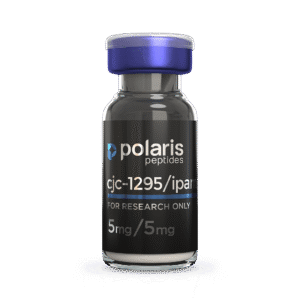
Synergistic Blends (Value Tier)
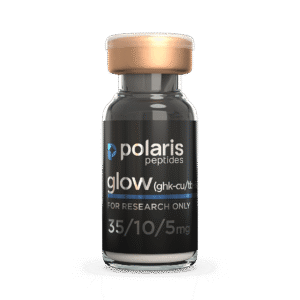
Synergistic Blends (Value Tier)
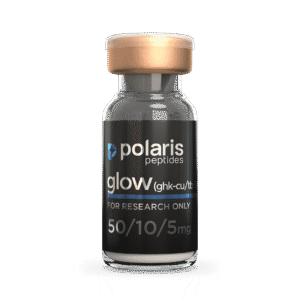
Synergistic Blends (Value Tier)
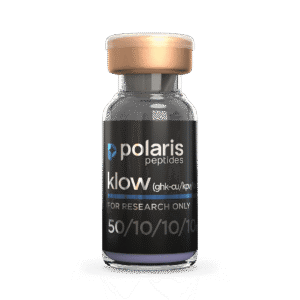
Synergistic Blends (Value Tier)
KLOW: GHK-cu 50mg, KPV 10mg, TB-500 10mg, BPC-157 10mg Blend