
The Science of GHRH and GHRP Signaling Pathways
In 2026, the investigation of the somatotropic axis remains a cornerstone of regenerative and longevity science. Polaris Peptides provides the high-purity ligands necessary to study the intricate feedback loops between the hypothalamus and the anterior pituitary gland.
Selective Agonism: Ipamorelin & CJC-1295 Our San Diego
facility specializes in the production of GHS compounds designed for high receptor selectivity:
-
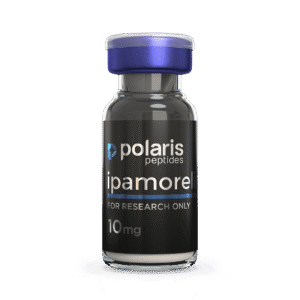
Ipamorelin: A selective GHRP (Growth Hormone Releasing Peptide) investigated for its ability to stimulate GH release without significantly impacting cortisol, prolactin, or appetite-stimulating hormones (Ghrelin).
-
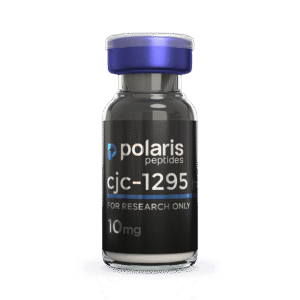
CJC-1295 (Tetrasubstituted GRF 1-29): A synthetic analogue of GHRH. Researchers utilize the “No DAC” version for studying physiological GH “pulses,” while the “With DAC” version is utilized for investigating extended half-life and sustained plasma levels.
-
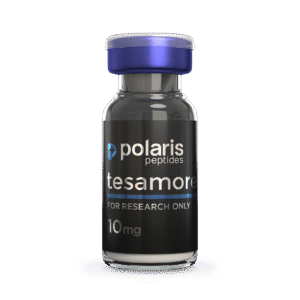
Tesamorelin: A stabilized 44-amino acid GHRH analogue primarily studied for its impact on visceral adipose tissue and lipodystrophy models.
Analytical Integrity and “Zero-Degradation” Shipping
The somatotropic axis is highly sensitive to the precision of the ligands used in study. Trace impurities in GHS compounds can lead to “off-target” pituitary activation. At Polaris Peptides, our Triple-Point Verification (HPLC/MS/NMR) ensures that every vial is free from synthesis byproducts and residual TFA salts. Furthermore, our San Diego fulfillment center utilizes expedited, temperature-stable packaging to ensure that fragile peptide chains remain intact during transit to your laboratory.
Growth Hormone Secretagogues (GHS)
Growth Hormone Secretagogues (GHS)
Growth Hormone Secretagogues (GHS)
Growth Hormone Secretagogues (GHS)
Growth Hormone Secretagogues (GHS)
Growth Hormone Secretagogues (GHS)